Drive Pins & Concrete Pins
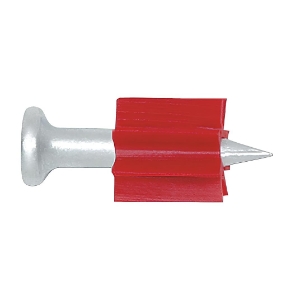
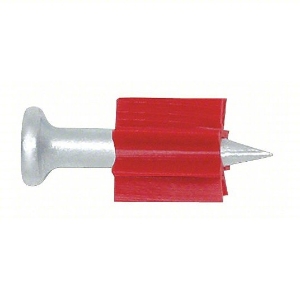
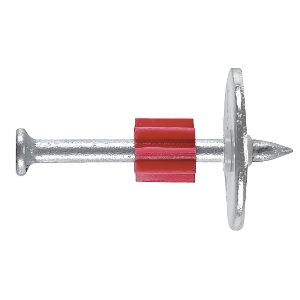

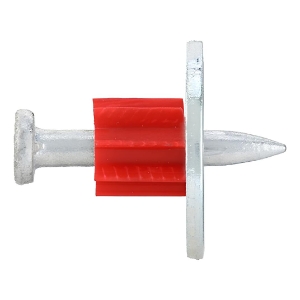
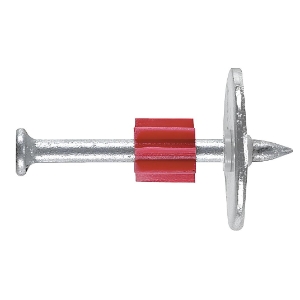
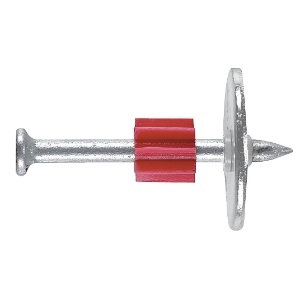
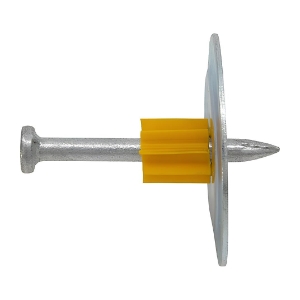
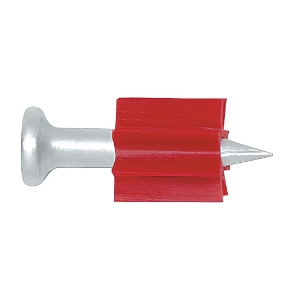
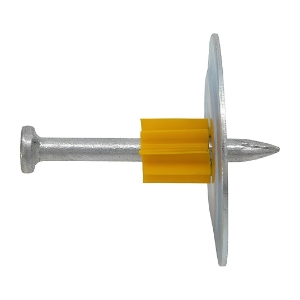
LINC Systems carries dozens of concrete pins and steel pins, from 5/8" to 3" concrete pins and drive pins, powder-driven pins and washered insulation pins to 23 gauge headless pins for pin nailers, in .100" to .157" shank diameters, from MAX USA, DEWALT, Simpson Strong-Tie, Aerosmith Fastening, SPOTNAILS and Grabber.
Drive pins are the pins most crews mean when they say concrete pins or steel pins: hardened steel fasteners driven into concrete, block or steel by a powder-actuated tool or an air-driven pinner. LINC's DEWALT drive pins run 1" to 3" long with a .300" head and a .145" or .15" shank, plain or with a 7/8", 1" or 1-7/16" washer. Simpson Strong-Tie powder-driven pins are .157" in 1-7/8" and 2-1/2".
Find the Right Concrete Pins for the Job
This category mixes several kinds of pins. Start with what you are fastening and what you are fastening into, then match the pin to your tool. Sizes below come from the product names on this page.
- Metal track to concrete: pin type: Concrete pins with plastic washer, plastic coil; lengths and shank diameters: 3/4" to 1-1/4"; .102" to .145"; examples on this page: MAX USA CP-C619V6-ICC, CP-C624V6-ICC, CP-C832W7-ICC
- Wood to concrete: pin type: Concrete pins and drive pins; lengths and shank diameters: 1" to 3"; .145" to .157"; examples on this page: MAX USA CP-C864W7-ICC; DEWALT drive pins; Simpson Strong-Tie PDPA-250; Aerosmith PowerPin
- Wood or metal track to steel: pin type: Concrete pins rated for steel, plastic coil; lengths and shank diameters: 5/8" to 2"; .133"; examples on this page: MAX USA CP-W816W4SP-AL (metal track), CP-W833W4SP, CP-W838W4SP, CP-W850W4SP (wood)
- Rigid insulation and insulation board: pin type: Pins with large washers; lengths and shank diameters: 1" to 2-1/2"; 60 mm heads on InsulPin; examples on this page: Aerosmith InsulPin (concrete or steel); Grabber Insulfast washer pins; Simpson Strong-Tie PINW-250
- Trim, molding and small parts: pin type: Headless pins (pin nails); lengths and shank diameters: 5/16" to 2" in 23 gauge; 1/2" in 18 gauge; examples on this page: SPOTNAILS 23 gauge headless pins; SPOTNAILS 18508AZ
- Metal banding: pin type: Metal banding pins; lengths and shank diameters: 1/2"; .109"; examples on this page: Aerosmith FP012C
Not sure which pin your tool takes? Call 800.513.9918 with the tool make and model.
What Are Concrete Pins?
Concrete pins are short, hardened steel fasteners driven straight into concrete, block or structural steel by a power tool. They hold track, plates, furring strips, insulation and fixtures to a hard base without drilling a hole first. Steel pins work the same way into steel framing and beams.
Unlike a common nail, a concrete pin has a smaller head, a hardened shank and a point made for hard material. The pins on this page run from .100" to .157" in shank diameter. Many come with a washer, from a small plastic washer that holds the pin straight in the tool to metal washers up to 1-7/16" that spread the load over soft material.
Concrete pins come loose in boxes for single-shot tools, or collated in plastic coils, wire coils and strips for tools with a magazine. Use the collation your tool is built for.
Looking for concrete form stakes? The pins on this page are fasteners, not the round or square steel stakes with nail holes that hold wood forms in place for a concrete pour. LINC does not list concrete form stakes in this category. For tying the rebar in a pour, see our rebar tying tools and rebar tie wire.
What Are Drive Pins?
A drive pin is a hardened steel pin with a small round head, made to be driven straight into a hard base material in one shot. The tool does the work, so there is no pre-drilled hole and no anchor to set. Drive pins are a fast way to fasten track, wood, plywood, insulation, clips and fixtures to concrete, concrete masonry or steel.
Drive pins are powder actuated fasteners, or pins for an air-driven pinner: in short, a heavy-duty concrete nail set by a tool. Some catalogs call them nail pins, concrete drive pins or steel drive pins. Most have a round, flat head. The DEWALT and Simpson Strong-Tie drive pins on this page are .300" diameter head drive pins, a common head size for these head fasteners.
How Drive Pins Work
The tool pushes the pin into the base at high speed. In concrete, the pin pushes the concrete aside and the packed material around the shank grips it. In steel, the pin forces its way through the steel, which closes tightly around the shank. That is why the shank, point and length have to suit the base material.
Many drive pins carry a plastic washer or plastic flute near the point. It holds the pin centered and straight in the tool's barrel until it fires. The MAX USA PowerLite concrete pins on this page list a plastic washer in each product name.
Drive Pins on This Page
- DEWALT drive pins: 1" to 3" long, .145" or .15" shank, .300" head, mechanically galvanized, 100 per box (50 per box for the 2-1/2" pin with a 1-7/16" washer).
- DEWALT drive pins with washers: 7/8", 1" or 1-7/16" washers for wood, sheet goods and softer material.
- Simpson Strong-Tie powder-driven pins: PDPA and PDPAWL pins at 2-1/2" x .157", and PDPAS collated pins at 1-7/8" and 2-1/2".
- Powder loads: Simpson Strong-Tie P27SL5A .27 caliber, 10-shot strip loads, red (level 5), 100 per box.
- Pins for air-driven pinners: MAX USA PowerLite and Aerosmith Fastening concrete pins and steel pins, collated in coils or strips.
Tools That Drive Them
Single drive pins like the DEWALT and Simpson Strong-Tie pins above are made for powder-actuated tools. Collated concrete pins feed from the magazine of an air-driven pinner, such as the MAX USA PowerLite high pressure concrete pinners in our specialty nailers. A standard framing or finish nail gun is not made to drive drive pins into concrete or steel.
Steel and Concrete Pins by Job
Metal Track to Concrete
Framers fastening steel stud track to a slab use short, thin pins. The MAX USA PowerLite concrete pins for metal track to concrete come in 3/4" and 1" at .102", plus 1-1/4" at .145", all on plastic coils with a plastic washer.
Wood to Concrete
These need a longer pin to get through the wood and into the concrete. Options here include the MAX USA CP-C864W7-ICC (2-1/2" x .145"), DEWALT drive pins from 1" to 3", Simpson Strong-Tie powder-driven pins at 2-1/2" x .157", and Aerosmith PowerPin concrete pins from 3/4" to 2-1/4".
Wood and Metal Track to Steel
For steel beams and decks, use pins made for steel. MAX USA lists wood to steel pins from 1-1/4" to 2" (.133") and a 5/8" metal track to steel pin. Aerosmith VersaPin steel pins run from 7/8" to 2" at .100" to .102", with grip or helical shanks on some. To screw wood or sheet metal to steel instead, see the self-drilling collated screws.
Rigid Insulation to Concrete or Steel
Insulation board needs a wide head so the pin does not pull through. The Aerosmith InsulPin has a 60 mm washer, in versions for concrete and for steel. Grabber's Insulfast washer pins come in 1" and 2", and the Simpson Strong-Tie PINW-250 is a powder-actuated, metal-washered pin for insulation board.
Trim and Finish Work with Headless Pins
Headless pins, also called pin nails or micro pins, hold trim, molding and small parts while glue sets, and leave a hole that is hard to see. SPOTNAILS 23 gauge headless pins on this page run from 5/16" to 2" with a chisel point. Drive them with a 23 gauge pinner from our finish, brad and pin nailers.
Metal Banding
The Aerosmith FP012C metal banding pin (1/2" x .109", .25" head) is made for fastening metal banding.
Powder Actuated Pins vs Air-Driven Concrete Pins
Powder Actuated Pins and Drive Pins
A powder-actuated tool uses a small powder load, like a blank cartridge, to drive the pin. Loads come in calibers and power levels; the Simpson Strong-Tie P27SL5A on this page is a .27 caliber, 10-shot strip load at level 5 (red). Use the caliber your tool takes and the lowest level that sets the pin. DEWALT drive pins and Simpson Strong-Tie PDPA pins are powder actuated pins, and the PDPAS pins are collated for tools that feed from a strip. Only trained operators should run powder-actuated tools, following the tool maker's instructions.
Air-Driven Concrete Pins
Air-driven concrete pinners use compressed air instead of powder loads, so there are no loads to buy or store. They feed collated pins from a magazine. LINC's specialty nailers include MAX USA PowerLite high pressure concrete pinners and JITOOL concrete nailers, along with DEWALT powder-actuated tools. MAX USA's PowerLite concrete pins on this page share the PowerLite name with those pinners.
Concrete Pins vs Concrete Nails
"Concrete nails" usually means hardened nails driven by hand or with a concrete nailer. Hand-driven masonry nails are in our bulk nails. Concrete pins are made for powder-actuated tools and concrete pinners, with thinner shanks and smaller heads. If you are attaching wood strips to concrete with a T-nailer, see our T-nails, and for collated nails with ballistic points, see screw and ballistic nails.
Drive Pins vs Hammer Drive Pin Anchors and Other Concrete Anchors
Search for drive pins and you will also find hammer drive pin anchors, also called drive pin anchors, nail anchors or nail-in anchors. They are a different fastener.
How Hammer Drive Pin Anchors Work: Zamac Alloy Body and Mushroom Head
Hammer drive pin anchors are fasteners designed for light-duty fastening in concrete and masonry. They are also called hammer drive nail anchors or hammer-set anchors. A hammer drive anchor goes into a pre-drilled hole. You drill the hole, push the anchor in through the fixture, then hit the pin with a hammer. As you hammer, the pin expands the anchor body so it grabs the sides of the hole. Never force a pin into a pre-drilled hole that is too small for the anchor. On the DEWALT Zamac Nailin nail anchors, a zamac alloy body with a mushroom head holds a carbon steel nail. The tools you need are a hammer drill, a masonry bit sized to the anchor and a hammer.
Which One to Use: Drive Pin or Hammer Drive Anchor
Drive pins are faster when you have a powder-actuated tool or pinner and a lot of fastening to do. Hammer drive anchors need no special tool, so they suit a few light-duty fixtures, electrical boxes or conduit straps. LINC carries DEWALT Zamac Nailin nail anchors with a mushroom head, 1/4" diameter and 1" to 2" long, in our anchors, along with wedge, sleeve and screw anchors for heavier loads. Those anchors for concrete include DEWALT Power-Stud+ wedge expansion anchors and Screw-Bolt+ screw anchors, most in zinc plated carbon steel. A concrete anchor in a drilled hole is also the better choice in brick or hollow block, where a drive pin may crack the material.
LINC does not list 18-8 stainless drive pins or a stainless steel pin anchor in these categories. If your job needs stainless for corrosion resistance, call us before you order.
Drive Pin Options: Shank, Point, Washer and Finish
Shank Diameter and Length
Thicker shanks (.145" to .157") suit wood to concrete work. Thinner shanks (.100" to .133") are common for track and steel. Pick a length that gets through the material and into the base by the amount the tool or pin maker calls for.
Shank and Point Types
Smooth shanks are standard. Grip, helical and knurled shanks add grip in the base material. Ballistic points are shaped for hard base material, and the chisel points on headless pins help them start cleanly in wood.
Washers and Finishes
DEWALT drive pins come with 7/8", 1" or 1-7/16" washers, or none. Simpson Strong-Tie PDPAWL pins have a 1" washer. Finishes include brite, zinc plated, galvanized, mechanically galvanized (one Simpson Strong-Tie pin is Class 65) and Aerosmith's PT2000.
Drive Pin Uses, Holding Power and Base Materials
Common Uses
Drive pins cover most light fastening applications in concrete and steel, and many applications in concrete block. Construction and industrial crews use them to fasten metal track, a wood bottom plate, furring, insulation, conduit and pipe clips, electrical boxes and other fixtures. Overhead work into concrete ceilings is common too. Fastening a fixture to concrete overhead calls for pins, loads and tools approved for the job, and eye and hearing protection. For a secure attachment, the pin has to go deep enough into the base and the head or washer has to sit snug on the material.
Holding Power and Load
The holding power of a drive pin depends on the base material, how deep the pin goes in, the shank diameter, and the spacing and edge distance. Pin and tool makers publish load values for their pins. LINC's product listings do not give load values, so use the maker's data and, for structural work, the engineer's plans.
Base Materials: Concrete, CMU and Steel
Cured concrete and steel are the usual base materials for drive pins. Drive pins suit materials like concrete that are hard and solid all the way through. Concrete masonry units (CMU, or block) can take drive pins when the pin maker lists them for it. Brick, mortar joints and hollow block can crack or give poor hold, so check the pin maker's guidance first, or use an anchor in a drilled hole.
Indoor and Outdoor Use
Zinc plated and brite pins are for dry, indoor work. Mechanically galvanized drive pins carry a heavier zinc coating that holds up better against corrosion in damp or outdoor spots. Makers galvanize the steel to add corrosion resistance, but galvanized steel is not stainless, so check the finish for the job. Read our guide to fastener finishes for more on coatings.
How to Choose Concrete Pins, Step by Step
- Name the base. Concrete, block or steel, and how thick the steel is.
- Name the material on top. Wood, metal track, insulation or trim sets the length, head and washer.
- Check your tool. Powder-actuated, air-driven pinner or pin nailer, its length range and the collation it feeds.
- Pick the shank and point. Diameter, shank type and point for the base material.
- Test a few. Drive a few pins in a scrap area and check that they seat flush and hold before running the job.
Need help? Call 800.513.9918 and tell us the base, the material and your tool.
How to Install Drive Pins: Drive Pin Installation, Step by Step
Fastening in concrete with drive pins is quick once the pin, load and tool are matched. The same steps apply to fastening materials to concrete or steel with an air-driven pinner.
- Match the pin and tool. Use a pin length and shank your tool takes, and for powder tools, the load caliber it takes.
- Start with the lowest power. Use the lowest load level or air setting that sets the pin, and test a few in a scrap area.
- Hold the tool square. Press the nose firmly against the work at a right angle so the pin goes in straight.
- Fire and check. The head should sit snug on the material. A pin that stands up needs more power; a head that cuts through needs less, or a washer.
- Keep your distance from edges. Follow the maker's minimum spacing and edge distance so the concrete does not crack.
Only trained operators should run powder-actuated tools. For air-driven pinners, see our pneumatic tool safety tips.
Removing Drive Pins
Drive pins are not made to come out. To remove one, pry it out with a claw bar or pliers if it is shallow, or cut or grind it flush with the surface. A removed pin should not be reused.
Buy Steel and Concrete Pins from LINC
Buy concrete pins, drive pins and headless pins from LINC by the box. We carry MAX USA, DEWALT, Simpson Strong-Tie, Aerosmith Fastening, SPOTNAILS, Grabber, Beck and NailPro, and the pinners and powder-actuated tools to drive them.
Have a LINC account? Sign in to see your pricing. Ordering for a crew or a project? Ask for a quote or call 800.513.9918. LINC also services pneumatic fastening tools: see tool repair.
Get a Quote or call 800.513.9918
Concrete Pin FAQs
What are concrete pins used for?
Fastening wood, metal track, insulation and fixtures to concrete, block or steel. They are driven by powder-actuated tools or air-driven concrete pinners.
What is the difference between drive pins and concrete pins?
Mostly the name. Drive pins usually means pins for powder-actuated tools, like the DEWALT drive pins here. Concrete pins covers those plus pins for air-driven pinners.
How do you install concrete pins?
With a powder-actuated tool or an air-driven concrete pinner. Load the pin (and a powder load, for powder tools), hold the tool square to the work, press it firmly against the material and fire. No pilot hole is needed. Follow the tool maker's instructions for pin length, spacing, edge distance and safety gear.
How far apart should concrete pins be?
It depends on what you are fastening and the building plans or code for that job. Follow the spacing and edge distance in your plans and in the pin and tool maker's instructions.
Do concrete nails need a pilot hole?
No. Concrete pins and concrete nails are hardened so they can be driven into concrete, block or steel without drilling first.
Can concrete pins be used on wood?
Yes, as the top layer. Many pins here are listed for wood to concrete or wood to steel, which means the pin passes through the wood and holds in the concrete or steel below.
Do concrete pins rust?
Plain steel can. Many pins here are zinc plated, galvanized or mechanically galvanized, which slows rust. Check the finish in each product name.
Will these pins fit my tool?
Only if the tool takes that length, shank diameter and collation. Check the tool's listing or call us with the make and model.
Can concrete pins go into steel?
Yes, if the pin is made for steel. Use pins listed for steel, such as the MAX USA wood to steel and metal track to steel pins.
What are headless pins?
Thin 23 gauge or 18 gauge pins with no head, driven by a pin nailer. They hold trim and small parts and leave a very small hole.
What is a drive pin used for?
Fastening wood, metal track, insulation, clips and fixtures to concrete, block or steel. Drive pins go in with a powder-actuated tool or an air-driven pinner, without drilling.
How do drive pins work?
The tool drives the hardened pin into the base at high speed. The concrete or steel packs tightly around the shank and holds it.
Are drive pins used with pneumatic nailers?
Not with standard nailers. Collated concrete pins are made for air-driven concrete pinners, and single drive pins are made for powder-actuated tools.
What are drive pin anchors used for?
Light-duty fastening into a drilled hole in concrete, block or brick, such as electrical boxes, conduit straps and small fixtures. LINC lists DEWALT Zamac Nailin nail anchors in our anchors.
What tools do you need to install a drive pin anchor?
A hammer drill, a masonry bit that matches the anchor diameter and a hammer.
Are drive pins reusable?
No. Once a drive pin is set, it is meant to stay. Use a new pin if you need to move a fixture.
How much weight can a drive pin hold?
It depends on the pin, the base material, the embedment and the spacing. Use the pin maker's published load values.
Can I get volume pricing on concrete pins?
Yes. Sign in to your LINC account for your pricing, or call 800.513.9918 for a quote.
Another question? Call 800.513.9918 or contact us.